

16 January 2026 / Posted in Uncategorised
What Is Sedation Dentistry?
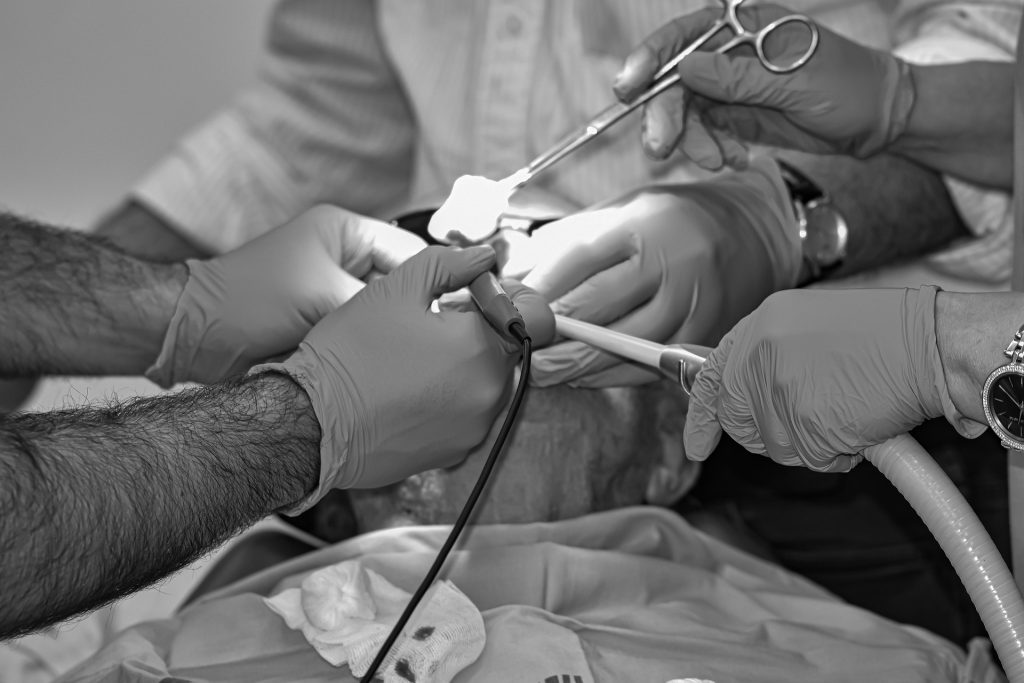
For many people, dental procedures can be anxiety-inducing. Whether it’s a simple dental filling or a more complicated process, sleep dentistry may be a viable option to help keep you calm and relaxed throughout the procedure. But what is sedation dentistry, and how can it help? We’ll outline all you need to know about oral sedation below.
Sedation or anxious dentistry can help you feel relaxed and calm during dental procedures. You get a moderate sedation level, so you’re technically awake through the process, but you feel very carefree. Sometimes, you may hear it called conscious sedation because it can create short-term forgetfulness or amnesia where you have no sensitivity to pain without being unconscious.
So it’ll keep you comfortable during your dental procedure. It’s an excellent option for people who have anxiety surrounding the dentist or for those who have lengthy treatments. Options include oral conscious sedation, nitrous oxide and IV dental sedation. Dentists must have a special certification to offer various forms of sedation dentistry, like the professional staff at TLC Dental in Sydney.
Who Can Benefit From Sedation Dentistry?
People of any age can have a more pleasant experience from using oral sedation at the dentist’s office, including children. It’s common for dentists to recommend it to anyone with the following:
• Anxiety surrounding dental work
• Decreased sensitivity to local anaesthesia
• Difficulty sitting still or controlling their movements
• Extremely sensitive teeth
• Feelings of being claustrophobic when at the dentist’s office
• People with a fear of going to the dentist
• People with an overly sensitive gag reflex
• Special needs, including behavioural, cognitive, or physical
Popular Types of Sedation Dentistry
There are levels of sedation dentistry, and the one you get will depend on your needs. The most important factors include your procedure length, anxiety level, personal preferences, and health history. The most common options you have to choose from include:
General Anaesthesia
In some instances, like more in-depth emergency dental procedures, it may be necessary to use general anaesthesia in an ambulatory surgery centre or a hospital. It’s a type of unconscious sedation, and your dentist has to have specialised, advanced training to administer it. Generally, an anaesthesiologist will be in the room to administer the general anaesthesia. It’s also more common when treating younger children, people with severe anxiety surrounding dental work or adults with special needs.
Intravenous or IV Dental Sedation
IV dental sedation is the deepest type of conscious sedation you can get at your dentist’s office. They’ll place an IV line into your arm and administer the sedative medication directly into your bloodstream. The dentist will monitor your blood pressure, heart rate, and oxygen levels during this procedure.
They can adjust your dosage at any point during the procedure and have reversal medications if necessary. Most people who get sleep dentistry have little memory of the process as they fall asleep until it’s over. This is an excellent choice for people who have severe dental anxiety or for people who have lengthy dental procedures.
Nitrous Oxide
Nitrous oxide is commonly called laughing gas. The dentist fits you with a nosepiece or mask, so you inhale it, and you’ll start to feel the calming effects in 3 to 5 minutes. The dentist will control the sedation amount, and they’ll adjust the dosage during your procedure as needed. Once you finish your treatment, you get a flush of pure oxygen to get any lingering nitrous oxide out of your body. Because the nitrous oxide flushes out of your system quickly, you can usually drive home after your procedure.
Oral Conscious Sedation
With this method, your dentist will give you a sedative medication roughly 60 minutes before the start of your procedure. Lorazepam, Zeloplone and Triazolam are all common sedative medications your dentist may use. In addition, many dentists use liquid sedation for paediatric sedation dentistry.
Oral sedation can make most patients groggy, and it’s common to fall asleep. But you’ll still be able to talk with your dentist if you need to, and a gentle tap or shake is enough to wake you. Also, because this type of sedation has temporary effects on your motor skills and memory, you’ll want a family member or friend to drive you home when you finish your procedure.
Potential Complications With Sleep Dentistry
Whether you need routine or emergency sedation dentistry, there are a few potential side effects or complications to keep in mind. Be aware that sedation dentistry is generally safe when a licensed healthcare provider administers it. However, there is always a slight risk for complications, and potential short-term risks include:
• Bruising at the IV site
• Dry mouth
• Headache
• Lingering drowsiness
• Vomiting or nausea
It can be challenging to predict how oral sedation medications will affect you. Rarely do people experience allergic reactions. However, drugs are available to counteract these issues and keep you comfortable.
Visit The TLC Dentist to Discuss Your Sedation Dentistry Options
If you’re anxious about visiting the dentist, have a long procedure, or have questions about sleep dentistry, contact us. Our team is ready to discuss your options and determine the best form of sleep dentistry for your needs.