General Dentistry Services Sydney
Dental Crowns & Bridges Sydney
If missing or chipped teeth are stopping you from smiling with confidence, you don’t have to live with the discomfort. At The TLC Dentist, we offer expertly crafted dental crowns and bridges to restore your smile, function and oral health — using strong, natural-looking materials.
-
 ADA Member Australian Dental Association
 -
 5.0 Rating 517+ Reviews
 -
 3D Technology
 -
 Custom Care plans

What Are Dental Crowns & Bridges?
When a tooth has a deep enough hole or is too far gone for a filling, sometimes the next best option is to replace the entire visible part of the tooth with a custom-made tooth covering, called a crown. A crown can repair a broken or worn tooth, hold cracked teeth together to keep them functioning, and also strengthen a tooth which has been treated with a root canal.
Bridges can be used to replace missing teeth. Two crowns are placed onto either side of the gap and a custom-made replacement tooth is suspended between them, the result is a row of natural-looking teeth.
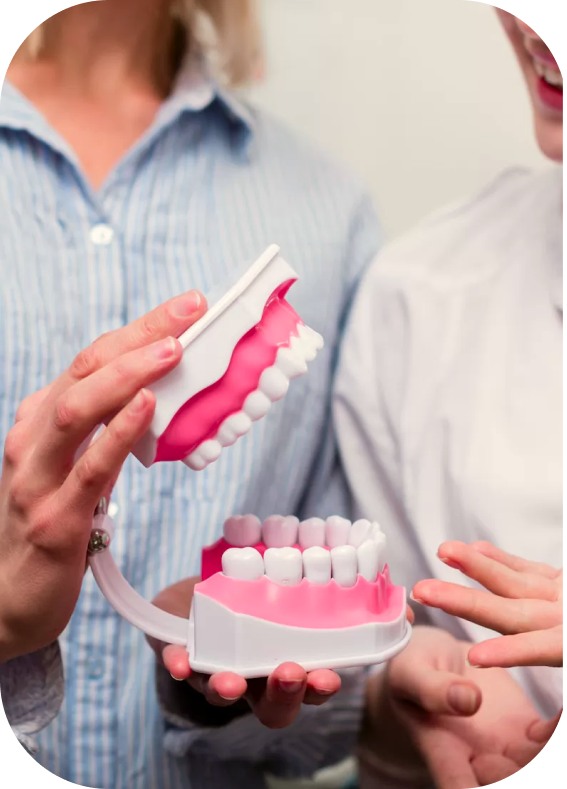
Why a Crown may be needed?
A dental crown may be needed for several reasons, including:
- Protecting a weakened tooth:
- A dental crown can be used to protect a tooth that has been weakened due to decay, large fillings, or root canal treatment. The crown helps to prevent further damage and provides strength and stability to the tooth.
- Restoring loss or damaged teeth:
- A dental crown is often used to restore a tooth that has been broken, fractured, or worn down. The crown is designed to cover the entire tooth, providing strength and protection.
- Improve the appearance of a tooth:
- Dental crowns can also be used for cosmetic purposes, to improve the appearance of a tooth that is misshapen, discoloured, or has other aesthetic flaws. The crown can be customised to match the colour and shape of the surrounding teeth, resulting in a natural-looking smile.

Types of Crowns
Different Types of Dental Crowns
Dental crowns come in various materials, each offering unique benefits based on your specific needs.

Porcelain
Overall, porcelain crowns are a versatile and effective option for many people seeking a durable, natural-looking solution for damaged or weakened teeth.
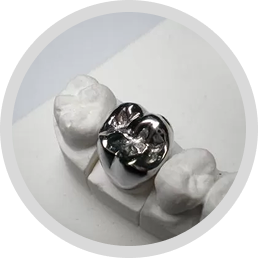
Metal
A strong and durable option for people seeking a cost-effective, long-lasting solution for damaged or weakened teeth, for back teeth needing strength and durability.
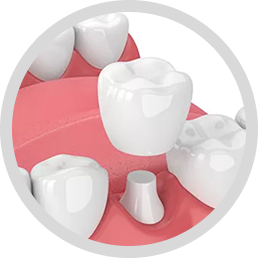
Ceramic
Ceramic crowns are a versatile and effective option for many people seeking a durable, natural solution for damaged front teeth or visible areas.
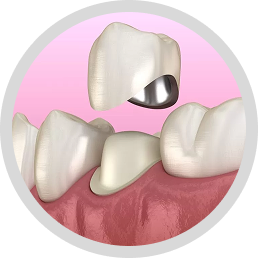
Porcelain fused to metal (PMF)
PFM crowns offer a durable, natural-looking solution for damaged teeth, combining porcelain's look with metal's strength.
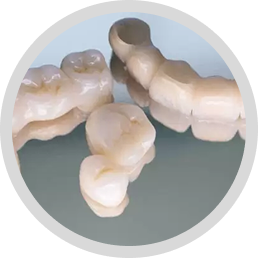
Resin
Resin crowns provide a natural, cost-effective fix for damaged teeth, especially in visible areas. They require less prep and can often be completed in one visit.
Crowning Procedure
Expert Care, Stunning Results.
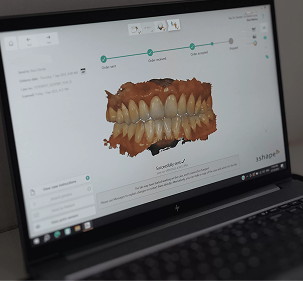
Evaluation and Treatment Planning
The procedure begins with a dental health evaluation. Dentists will examine your teeth and discuss treatment goals. X-rays may be taken if needed.

Temporary Crown Placement
A temporary crown will protect the tooth while your permanent one is made. Follow your dentist's care instructions.
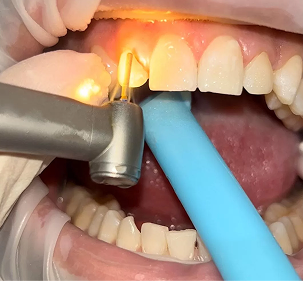
Tooth Preparation
The tooth for the crown will be prepared by removing decayed areas and shaping it for the crown. An impression will be taken to create a mold for the lab.

Final Crown Placement
When your crown is ready, the temporary one will be removed. The permanent crown will be placed and adjusted for fit.
Why Bridges may be needed?
A dental bridge may be needed to restore your smile in cases where you have one or more missing teeth. There are several reasons why a dental bridge may be necessary, including:
- Replacing missing teeth: A dental bridge is an ideal solution for replacing one or more missing teeth. It can help to restore the appearance of your smile and prevent additional dental problems.
- Restoring bite and chewing function: Missing teeth can make it difficult to chew certain foods, which can negatively impact your overall health. A dental bridge can help to restore your bite, allowing you to chew comfortably and improve your oral function.
- Preventing remaining teeth from shifting: When you have a gap in your smile due to missing teeth, your remaining teeth can shift over time to fill the space. This can cause alignment issues and other dental problems. A dental bridge can help to prevent your remaining teeth from shifting, maintaining the proper alignment of the teeth.

Types of Bridges
Different Types of Dental Bridges
Dental Bridges come in various materials, each offering unique benefits based on your specific needs.

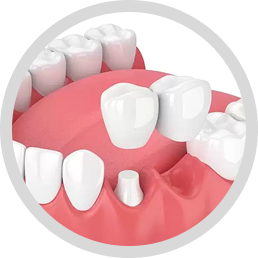
Traditional bridges
Bridges are a convenient dental restoration made of porcelain or ceramic, securely attached to adjacent natural teeth.
Cantilever bridges
Cantilever bridges may be appropriate for individuals with a solitary missing tooth. These bridges anchor to one abutment tooth, offering a simple solution.
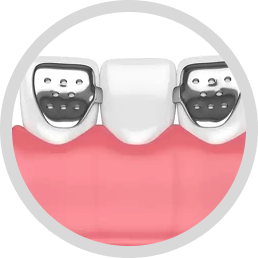
Maryland bridges
Maryland bridges are composed of plastic or porcelain with metal accents and are attached to the remaining natural teeth through metal or resin wings.
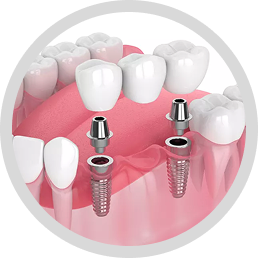
Implant-Supported bridges
Implant-supported bridges offer a permanent solution for missing teeth. They utilise dental implants as support to ensure a long-lasting and robust restoration.
Bridges Procedure
Expert Care, Stunning Results.
Consultation and Examination
The bridges procedure begins with a consultation. We assess your oral health, evaluate teeth and gums, and discuss your needs.
Temporary Bridge Placement
A temporary bridge will protect your teeth while the permanent one is made. Follow your dentist's care instructions during this time.
Tooth Preparation and Impression
Prepare adjacent teeth for the bridge. The dentist shapes them, removing enamel for space. Impressions or scans will create an accurate mold.
Final Bridge Placement
Once your custom bridge is ready, the temporary one will be removed and the permanent bridge will be placed and bonded.
For your Crowns and Bridges
Aftercare For Crowns And Bridges

- 01
Practice good oral hygiene
Continue brushing and flossing regularly after a crown or bridge. Help prevent plaque buildup and decay. Use a soft-bristled toothbrush, avoid abrasive toothpaste and clean around the crown or bridge area. - 02
Avoid hard or sticky foods
While crowns and bridges are durable, they can still be damaged by hard or sticky foods. Try to avoid chewing on hard candy, ice, or other hard items, and avoid sticky foods like caramel that can damage or dislodge your crown or bridge. - 03
Visit your dentist regularly
Regular dental check-ups are vital for your teeth and gums.Your dentist can monitor your crown or bridge and make necessary adjustments for longevity.
Contact Us
Visit Our Sydney Dental Clinic Today
At The TLC Dentist, we provide general dentistry to keep your smile healthy. From routine care to complex treatments, our expert team is here to help.

Follow Along
See the results, before you book.
Real patient transformations, behind-the-scenes of the clinic, and oral health insights — all on Instagram.