

7 March 2025 / Posted in Uncategorised
Tooth Extraction: When Is It Necessary?
The extraction of teeth may sound like a scary and daunting experience, but it doesn’t have to be. Understanding why and when tooth extractions are necessary can help ease any concerns. If you are about to experience this procedure, this guide will help you understand everything you need to know about tooth extraction.
What are the main reasons for tooth extraction?
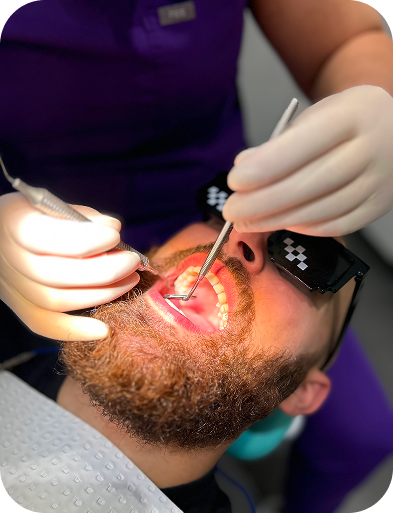
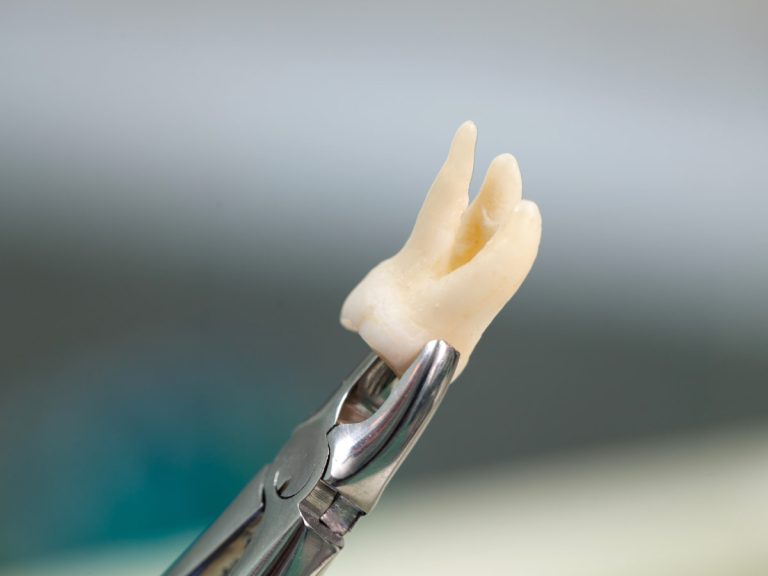
The extraction of teeth is more common than it appears; in this dental procedure, which is carried out under local anesthesia, a tooth is removed from its socket in the jawbone. This is typically performed when a tooth is damaged or poses a risk to surrounding teeth and oral health.
There are several reasons why a tooth extraction might be recommended, the most common ones include:
- Severe damage or decay
- Wisdom teeth complications
- Infection or advanced gum disease
- Orthodontic reasons
- Non-Restorable teeth
- Trauma or injury to the teeth
- A baby tooth preventing the eruption of a permanent tooth
If you’re unsure whether an extraction is necessary, consult your dentist for a thorough evaluation.
Read about: When Should You Call Your Dentist About a Toothache
Symptom and signs a tooth needs to be pulled

Certain symptoms can indicate the need for a tooth extraction. If you experience any of these symptoms, don’t delay seeking professional advice. Early intervention can prevent complications and improve your oral health.
Sometimes, tooth extraction is part of an orthodontic treatment plan to create more space in the mouth, especially when teeth are overcrowded. Removing one or more teeth can allow the remaining teeth to be repositioned properly.
Ongoing pain and swelling around a tooth may be a sign of infection or abscess, indicating that the tooth or surrounding tissue is severely compromised.
Inflammation, especially if accompanied by pus or persistent discomfort, can be a sign of an infection.
When wisdom teeth do not have enough room to emerge properly, they can become “impacted” and cause pain, infection, or damage to adjacent teeth.
If a tooth is severely decayed and no longer able to support a filling or crown, extraction may be necessary.
Gum disease (periodontitis) can lead to the deterioration of the supporting bone around a tooth.
Teeth that have become loose or mobile due to bone loss or trauma might need to be extracted.
Preparation for a tooth extraction
In order to prepare for this procedure, there are a few considerations to keep in mind:
- Before the procedure, your dentist will walk you through the entire procedure and answer any questions or concerns you might have.
- They’ll also give you clear pre-surgery instructions—like whether you need to fast—and might prescribe antibiotics or other medications to get you ready.
The tooth extraction process
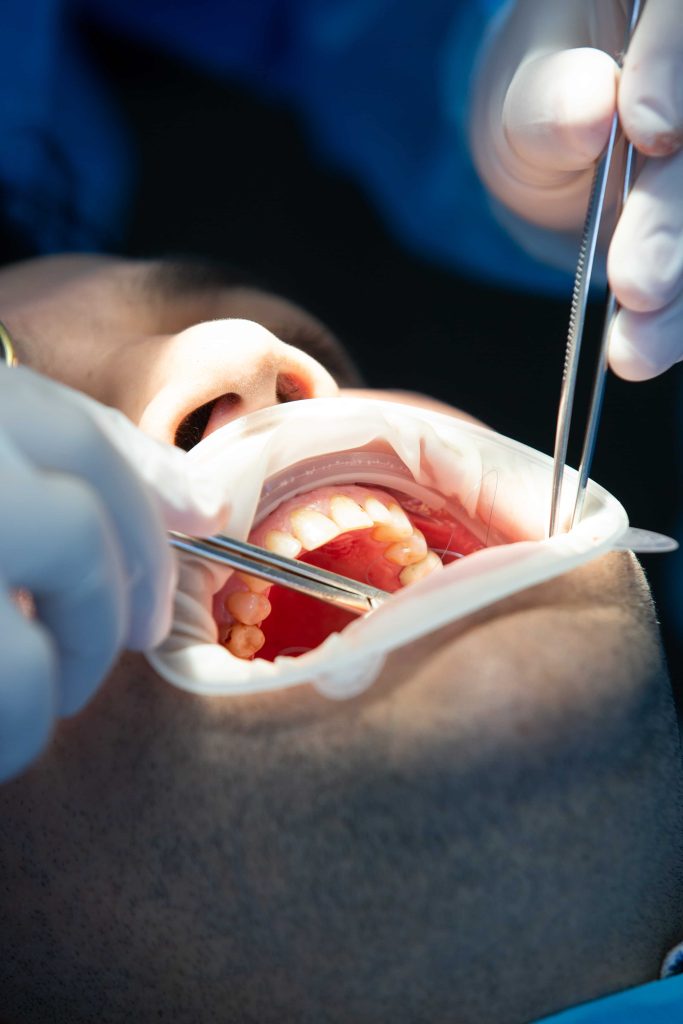
During the surgical extraction, here’s what you can expect:
- If necessary, the tooth may be sectioned into smaller pieces for easier removal. The area will be thoroughly cleaned, and the sutured incision will be closed.
- To keep you comfortable during the procedure, they’ll use local anesthesia so you won’t feel a thing.
- The dentist will make a small incision in the gum tissue to access the affected tooth. In some cases, a small amount of bone surrounding the tooth may also need to be removed.
- Once the area is open, they will carefully detach the tooth from the surrounding tissues using specialised instruments and techniques.
Questions about the tooth extraction process:
Is a tooth extraction painful?
Pain levels vary based on the extraction’s complexity and individual pain tolerance. Most patients experience mild discomfort during recovery, which peaks within the first 48 hours and subsides over the next few days. Severe or persistent pain may indicate complications and should be checked by your dentist.
How long does a tooth extraction take?
Total time including preparation and procedure, is typically around an hour. Simple extractions usually take 20-40 minutes, while surgical extractions may take 30 minutes to an hour.
How much does a tooth extraction typically cost?
The cost varies depending on the complexity. Private health insurance with dental coverage can significantly reduce out-of-pocket expenses. For an estimated cost, we recommend booking an appointment at a price based on your situation.
Recovery and Aftercare
Proper aftercare is essential for a smooth recovery. Your dentist may prescribe pain medication or antibiotics to minimise discomfort and prevent infection.
How long does it take to recover from a tooth extraction?
Most people can return to work or regular activities within 48-72 hours. However, full soft tissue healing can take 3-4 weeks for surgical extractions.
What should I avoid after having a tooth extracted? – General Guidelines
- Rest: Take it easy for the first 48-72 hours; avoid heavy lifting and bending over.
- Oral Hygiene: Gently rinse your mouth with salt water, but avoid vigorous spitting or brushing near the extraction site.
- Avoid Certain Activities: Steer clear of smoking alcohol and use straws to prevent complications like dry sockets.
- Exercise: Wait at least two weeks before resuming high-intensity workouts after upper wisdom teeth extractions and four weeks for lower ones.
What can I eat after a tooth extraction?
- First 24 Hours: Stick to soft foods like soup, pudding, and yoghurt. Avoid solid foods entirely.
- Days 2-7: Gradually introduce softer solid foods, such as mashed potatoes and soft pasta, while avoiding crunchy or chewy items.
- Beyond 7 Days: Resume normal eating habits, but continue to be cautious with harder foods near the extraction site.
Replacement Teeth Alternatives
After an extraction, replacing the missing tooth is essential for oral health and functionality. Here are some options; your dentist should determine the right alternative for your case based on your specific needs and budget.
| Dental implant | Bridge | Partial denture | |
| Definition | A titanium post is placed in the jawbone, topped with a crown to replace a missing tooth. | A dental prosthesis that uses adjacent teeth as anchors to support a false tooth. | A removable prosthesis designed to replace multiple missing teeth. |
| Durability | Long-lasting (15+ years with proper care). | Moderate (5-15 years, depending on materials and care). | Shorter lifespan (5-7 years) with wear and tear. |
| Comfort | It feels like a natural tooth; no discomfort. | It can feel less natural due to reliance on adjacent teeth. | It may feel bulky or uncomfortable; it takes time to adapt. |
| Procedure | Requires surgery and multiple visits over several months. | Less invasive; usually completed in 2-3 visits. | Non-invasive; minimal dental appointments required. |
| Maintenance | Regular brushing, flossing, and professional check-ups. | Similar to natural teeth, but requires extra care around the bridge. | Requires daily cleaning and maintenance outside the mouth. |
| Cost | Higher initial cost but cost-effective over time. | Moderate cost, often less expensive than implants. | Most affordable option upfront. |
Read about: Advantages of Dental Implants
Need tooth extraction in Australia? – We’re here to help

Tooth extractions might seem intimidating, but they’re a vital part of maintaining good oral health. If you think you might need a tooth extraction or have questions about the process, our experienced team t is here to help.
With over a decade of service in the Earlwood community, we’re dedicated to providing personalised care in a warm and welcoming environment. Contact us today and take the first step towards a healthier smile!
Book an Appointment Or call us (02) 9558 0225