


7 March 2025 / Posted in Uncategorised
How Long Do Dental Implants Last?
Dental implants are a game-changer for anyone who wants a durable and natural-looking solution to missing teeth. They’re designed to restore your smile and the confidence and functionality that come with healthy teeth.
But how long can you count on your dental implants to last? So we’re here to guide you through everything you need to know about tooth implant longevity and how to keep them in top shape.
What Factors Influence the Lifespan of Dental Implants?
Dental implants are designed to be a long-term solution, but their lifespan can be influenced by several factors.
1. Implant Material
The implant material plays an important part in how long a dental implant lasts and how well it integrates with your jawbone. The two most common materials used for dental implants are titanium and zirconia, each with its own benefits:
Titanium is strong, biocompatible, and capable of bonding well with the jaw bone. Titanium implants have been used for decades and are renowned for creating a stable foundation for the replacement tooth.
For patients who want a metal-free solution, zirconia implants are an excellent alternative. Made from a high-strength ceramic, zirconia implants provide a natural aesthetic and offer a similar level of durability to titanium. The smooth surface of zirconia also reduces the risk of bacterial buildup and gum irritation.
Choosing the right material for your implant will depend on personal preferences and specific dental needs. An experienced dentist can assess your situation and recommend the best material for optimal outcomes.
2. Oral Hygiene
To maintain the long-term success of dental implants, one must maintain proper oral hygiene. Implants are highly resistant to decay, but the surrounding gum tissue is still susceptible to infection, which can lead to implant failure. Here’s how you can take care of your implants:
- Brushing: Use a soft-bristled toothbrush and non-abrasive toothpaste to clean your implants twice a day. Be sure to clean around the base of the implant to remove plaque and bacteria that cause gum irritation and infection.
- Flossing: Flossing removes food particles and plaque from hard-to-reach areas. Special implant flossers or threaders are available if you find traditional flossing difficult.
- Regular Check-ups: Even though dental implants are resistant to cavities, gum disease (peri-implantitis) can still occur around the implant. Regular visits to your dentist will help monitor the health of your implants and surrounding gums.
3. Lifestyle Choices
Certain lifestyle factors can directly impact the longevity of your dental implants.
Smoking is one of the leading causes of implant failure. Nicotine and other chemicals in cigarettes can reduce blood flow to your gums, impair healing, and increase the risk of infection around the implant. If possible, quitting smoking is highly recommended to ensure the long-term success of your dental implants.
A diet high in sugar and acidic foods can also contribute to plaque buildup, gum disease, and general oral health problems, which can compromise your implants. Eating a balanced diet rich in vitamins and minerals helps keep your gums healthy and supports the healing and integration of the implant with the bone.
Bruxism or habitual teeth grinding or clenching (often during sleep) can put excessive pressure on implants and it leads to damage or loosening. If you grind your teeth, especially at night, wearing a custom night guard can help protect your implants from undue stress.
Taking control of these lifestyle factors will not only benefit your implants but also improve your overall oral health.
4. Bone and Gum Health
The health of your jawbone and gums is crucial to the success and longevity of dental implants. A stable jawbone provides the foundation for the implant to fuse with, while healthy gums protect the implant from infection.
Work closely with your dentist to monitor bone and gum health. This will help prevent complications and ensure that your implants remain securely in place.
5. Expertise of Your Dentist
The experience and skill of the dentist affects the success and longevity of your dental implants as well. An inexperienced or poorly executed procedure can lead to implant failure.
Implants need to be placed in the ideal location in the jawbone to secure the best chance for success. This requires advanced training and experience, especially for more complex cases. The surgical technique used to place the implant is crucial as well.
An experienced dentist will use advanced technology, such as 3D imaging and guided surgery, to accurately place the implant.
And when the procedure is over, your dentist should provide detailed instructions for care and regular follow-ups to monitor the healing process.
What is the Average Lifespan of a Dental Implant?
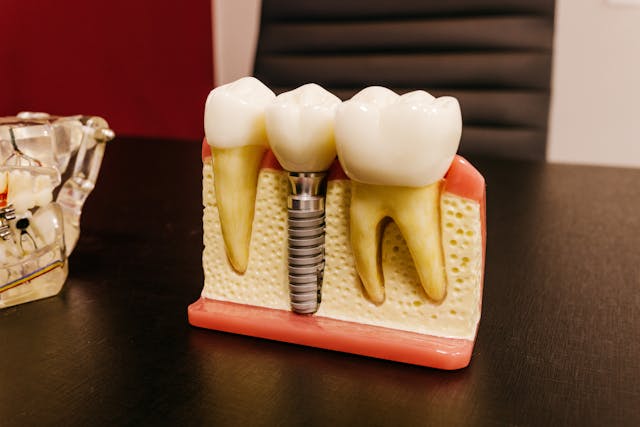
On average, dental implants can last anywhere from 10-30 years or more. In some cases, with excellent care and maintenance, they may even last a lifetime. Compare this to other tooth replacement options like dentures, which typically need replacing every 5-8 years, and it’s clear why implants are considered a superior long-term solution.
Tips for Maximising the Life of Your Dental Implants
- Stick to a daily routine. Brush and floss thoroughly every day to keep your gums and surrounding teeth healthy.
- Avoid harmful habits. If you smoke or grind your teeth, talk to your dentist about ways to mitigate these risks as these habits can affect the longevity of your implants.
- Have regular check-ups. Schedule bi-annual visits with a The TLC Dentist for professional cleanings and monitoring.
- Protect your implants. Use a mouthguard if you play sports or a night guard if you grind your teeth at night.
Are Dental Implants a Better Long-Term Solution than Dentures?
Dental implants are designed to last decades, while dentures may need frequent adjustments or replacements. Implants also feel and function like natural teeth. They offer superior comfort and ease in eating and speaking. Unlike dentures, implants don’t require adhesives or daily soaking.
It’s true that the upfront cost of implants is higher, but their durability and longevity often makes them the more economical choice over time.
How to Determine if Dental Implants are For You
You have a high chance of benefitting from dental implants if you:
- Have good oral health. Healthy gums and a stable jawbone are essential for successful implant placement. If you have gum disease or significant bone loss, treatment options like bone grafting may be necessary.
- Are a non-smoker or willing to quit. Smoking can increase the risk of implant failure.
- Set realistic expectations. Know that implants are a long-term solution, but they require proper care. If you’re committed to maintaining oral hygiene and following aftercare instructions, implants could be the right fit.
- Have good overall health. If you have certain health conditions like uncontrolled diabetes or heart disease, they may impact healing.
To determine if dental implants would be the best choice, schedule a consultation with our dental implant specialists. Professionals at The TLC Dentist combine expertise with compassionate care to give professional advice and provide the best outcomes for every patient. You can also explore our cosmetic dentistry services for a comprehensive treatment plan.
You can also explore our flexible payment plans and superannuation options to make your treatment more accessible.
FAQs About Dental Implant Longevity
1. Can dental implants last a lifetime?
Yes, implants have the potential to last a lifetime with excellent oral hygiene and regular dental visits.
2. How should I care for my dental implants to make them last longer?
Brush and floss daily, avoid harmful habits, and schedule regular dental check-ups.
3. How often should I visit my dentist after getting a dental implant?
You should visit your dentist at least twice a year for professional cleanings and check-ups.
Dental implants are a reliable and long-lasting choice for tooth replacement. Maintaining good oral hygiene and partnering with experienced professionals can help you maximise their lifespan and enjoy your new smile for decades to come. Contact The TLC Dentist in Sydney today to book a consultation and take the first step towards restoring your smile.