

16 January 2026 / Posted in Uncategorised
How to Beat Gum Disease and Bring Back a Healthy Smile
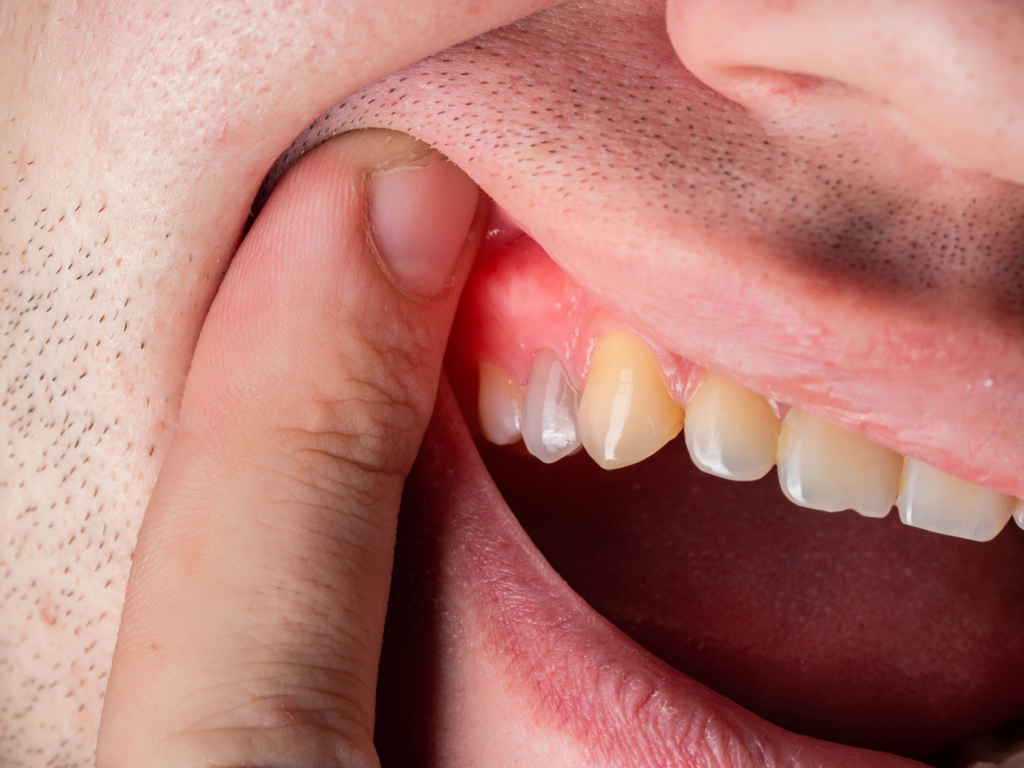
Did you know that many adults in Australia experience some form of gum disease in their lifetime, often without even realising it? The good news is that with the right steps, you can treat and manage gum disease, improve your oral health, to bring back your healthy smile.
Today, we’ll dive into everything about gum disease or periodontal disease, how to spot the signs, treatment options and how to keep your gums healthy for life.
What is gum disease?
Gum disease or periodontal disease (the medical term) is an infection of the tissues that support your teeth, known as the gums.
When plaque builds up on your teeth and along the gumline and isn’t properly removed through brushing and flossing, it hardens into tartar. This irritates the gums and leads to inflammation, which over time can become more serious if not treated.
Factors like smoking, hormonal changes, medications, genetics and poor nutrition can increase your risk or worsen the condition.
Types of Gum Disease
Gingivitis
Gingivitis is the earliest and mildest stage of gum disease. If treated early, it can be fully reversed with a professional dental clean and good daily oral care, restoring your gums to health.
Periodontitis
If gingivitis isn’t treated, it can become periodontitis, the more advanced stage where the gums start pulling away from the teeth, forming pockets that can become infected.
Over time, the bone that holds your teeth in place can break down, leading to loose teeth and even tooth loss if not managed properly.
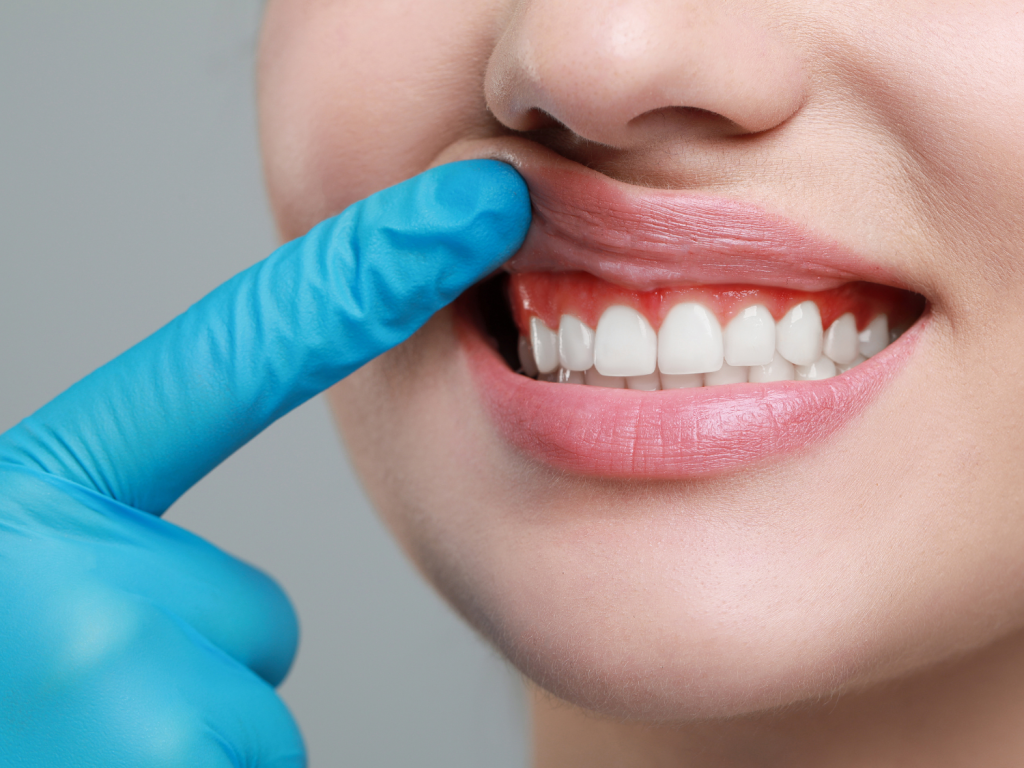
Signs you might have gum disease
Gum disease often develops slowly and painlessly, so it can go unnoticed until it’s more advanced.
Therefore, paying attention to early signs is important. Here are some common symptoms:
- Red, swollen, or tender gums
- Gums that bleed easily when brushing or flossing
- Bad breath that won’t go away
- A bad taste in your mouth
- Gums pulling away from your teeth (receding gums)
- Sensitive teeth
- Loose or shifting teeth
- Pain when chewing
- Push between your teeth and gums
- Changes in how your teeth fit together when you bite
When to see a professional
If you notice any of the symptoms above, don’t wait.
Book an appointment with a dental professional as soon as possible. Early detection can make a huge difference in keeping your teeth and gums healthy.
What is the fastest way to get rid of a gum infection?
The fastest way to fix gum disease is to see a dentist or periodontist as soon as possible, so they can assess your case and recommend the appropriate treatment.
However, there are some at-home care steps you can take, such as:
- Rinse with warm salt water or an antiseptic mouthwash
- Maintain excellent oral hygiene (brush twice daily and floss)
- Avoid tobacco and sugary foods
Treatment of gum disease: Your options
Treating gum disease depends on how advanced it is. The earlier it’s caught, the easier it is to treat. For cases of gingivitis, there a some non-invasive treatments such as:
Non-Surgical Treatments
- Professional Dental Cleaning: Removes plaque and tartar above the gumline and is key for prevention.
- Scaling and Root Planing: A deep clean that removes plaque below the gumline and smooths the roots to help gums reattach to teeth.
- Antibiotics: May be used as a gel, mouth rinse, or oral medication to fight bacterial infection.
Surgical Treatments
For Periodontitis cases, there may be a necessary surgical option such as:
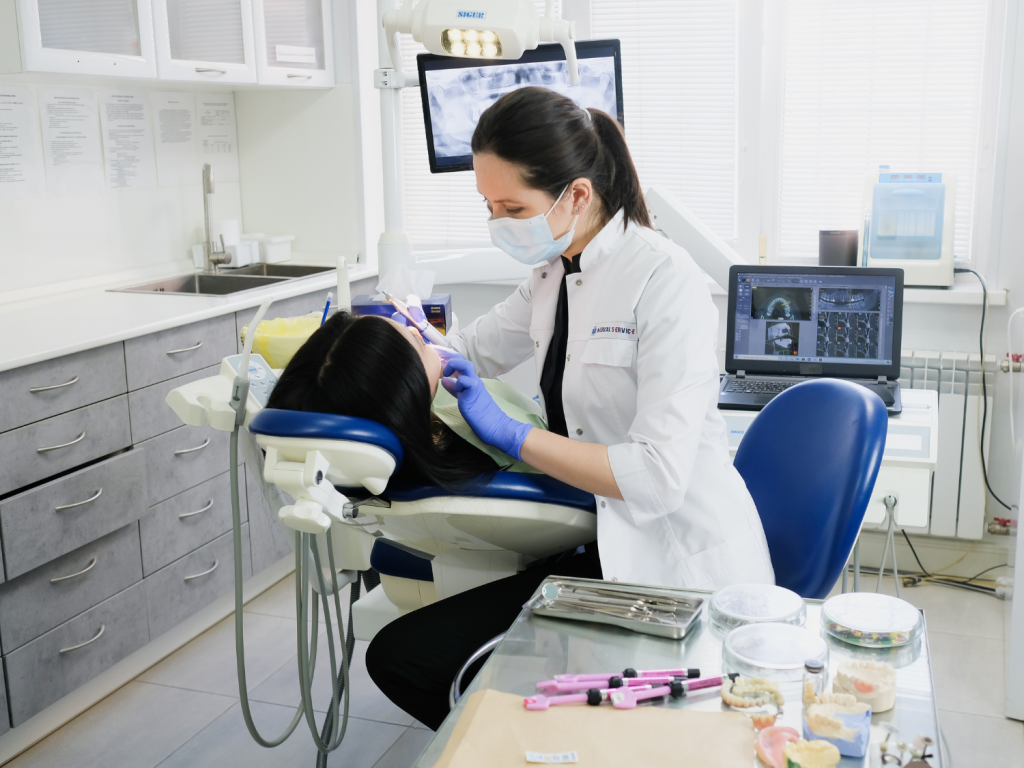
Flap Surgery
Flap surgery is performed when gum disease has caused deep pockets to form between the gums and teeth.
During this procedure, the gum is gently lifted (or “flapped”) to give the periodontist direct access to the roots and bone beneath for a thorough cleaning of the area and removal of tartar and bacteria.
Once cleaned, the gum is repositioned and stitched back into place to reduce pocket depth.
Soft Tissue Grafts
Soft tissue grafts are used to treat gum recession, when the gums pull back and expose the tooth roots.
A small piece of tissue is usually taken from the roof of the mouth (or another donor site) and attached to the affected area to cover the exposed root.
Bone Grafting
When gum disease leads to bone loss around the teeth, a bone graft may be needed to help restore the bone structure.
Here, bone material (from the patient, a donor, or synthetic sources) is placed in the area where bone has been lost to help the body regrow bone and strengthen the support for the teeth.
Guided Tissue Regeneration (GTR)
After cleaning the area, a biocompatible membrane is placed between the gum and the bone. This membrane acts as a barrier, preventing the gum tissue from growing into the space where bone should be.
By doing this, it gives the bone and periodontal ligament a chance to regenerate properly and reattach to the tooth.
Home care and lifestyle changes
Professional treatment is only part of the solution and what you do at home matters just as much.
Here are some general tips on how to improve gum health:
Oral Hygiene Tips:
- Brush twice a day for two minutes with a soft-bristled toothbrush
- Floss daily to clean between teeth
- Use an antibacterial mouthwash
- Replace your toothbrush every three months
- Attend regular dental check-ups
- Follow all post-treatment advice from your dentist
Lifestyle Tips:
- Eat a balanced diet with plenty of vitamin C and calcium
- Stay hydrated to keep saliva flowing
- Avoid smoking—it’s a major risk factor
- Cut back on sugar to reduce plaque buildup
Conclusion
If you’re dealing with gum disease, know that it doesn’t have to be part of your life. With the right care, professional support, and healthy daily habits, you can stop gum disease in its tracks.
Noticed any of the signs we discussed? Don’t wait. Book an appointment with our periodontist experts, who will guide you through alternative treatment options, including sedation alternatives, all delivered with care and professionalism.
On your journey against gum disease, we’ll help you recover.