

16 January 2026 / Posted in Uncategorised
Invisalign vs Braces: Choosing the Best Option for Your Smile
You have more options than ever for straightening your teeth and achieving a confident, beautiful smile. Invisalign and traditional braces are popular orthodontic treatments that can effectively correct misaligned teeth and bite issues. But how do you decide which option is right for you? This comprehensive guide will compare Invisalign vs braces to help you decide on your orthodontic treatment.
Before we dive into the comparison, let’s take a closer look at each treatment option:
Invisalign
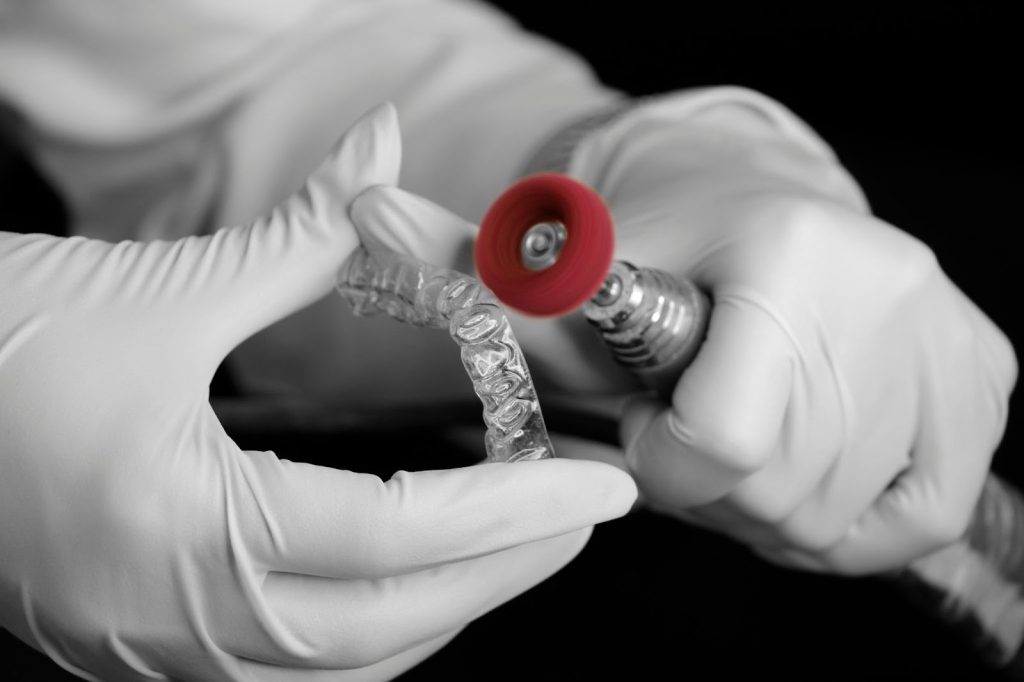
- Invisalign’s adaptability extends beyond cosmetic appeal.
- Addresses orthodontic concerns such as:
- Crowded teeth
- Gaps
- Overbite
- Underbite
- Other complex dental alignments
- Suitable for a broad demographic, including teenagers and adults.
- Offers a less intrusive method for achieving dental goals.
- Aligners are designed for a precise, tailored fit.
- Applies controlled force to teeth requiring movement.
- The targeted approach enhances treatment efficiency.
- Contributes to the patient’s overall comfort.
Braces
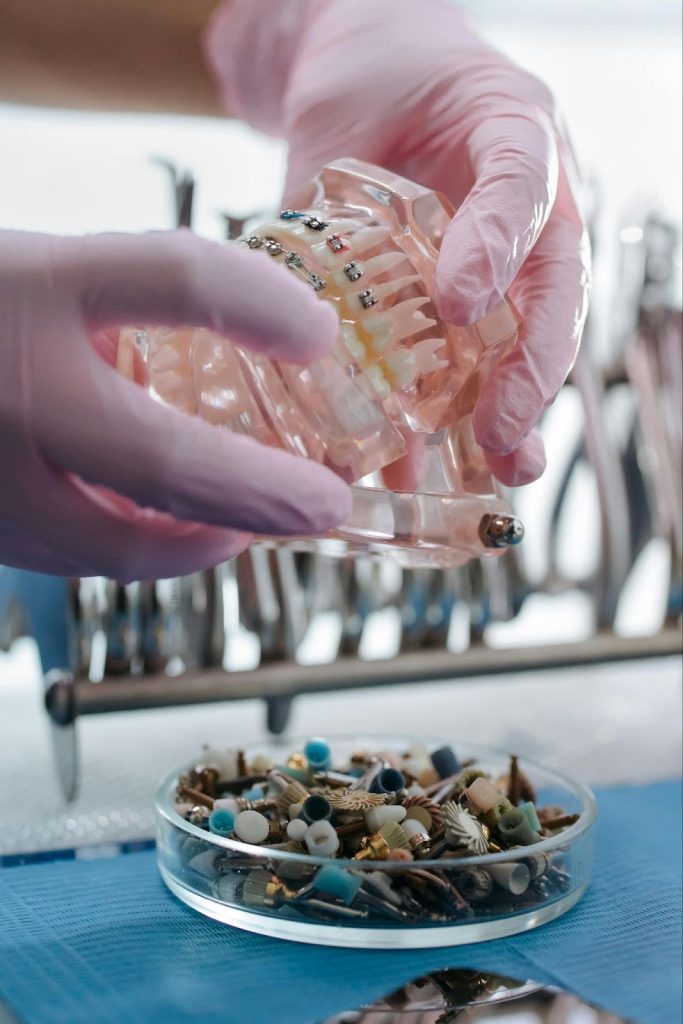
- Traditional braces are metal brackets bonded to teeth, connected by wires and elastics.
- They apply gentle pressure to gradually move teeth into desired positions.
- Effective for correcting dental misalignments and bite issues such as overcrowding, gaps, overbites, underbites, and crossbites.
- Treatment duration varies, typically ranging from one to three years.
- Regular check-ups with an orthodontist are necessary to adjust braces for continuous and effective teeth movement.
- Improves the appearance of one’s smile and enhances oral health by making teeth easier to clean.
- Reduces the risk of gum disease and tooth decay.
Braces or Invisalign? A Comprehensive Comparison
| Aspect | Invisalign | Braces |
| Visibility | Virtually invisible; clear aligners blend with teeth | Visible metal brackets and wires |
| Comfort | Smooth, comfortable plastic aligners | Initial discomfort and irritation; periodic adjustments |
| Removability | Removable for eating, brushing, and special occasions | Fixed onto teeth; cannot be removed by the wearer |
| Eating Restrictions | No restrictions; aligners can be removed for meals | Some food restrictions to avoid damage to braces |
| Oral Hygiene | Easy to maintain; aligners can be removed for brushing | Requires extra care to clean around brackets and wires |
| Treatment Duration | Typically, faster treatment times | Treatment duration varies; may be longer than Invisalign |
| Cost | Generally comparable to braces, we have payment plans available! | Costs may vary depending on treatment complexity |
| Effectiveness | Effective for mild to moderate orthodontic issues | Effective for a wide range of orthodontic issues |
| Suitability | Suitable for adults and teenagers | Suitable for all ages and orthodontic needs |
| Follow-up Appointments | Periodic check-ups to monitor progress | Regular adjustments and tightening of braces |
Is Invisalign Better Than Braces?
Ultimately, deciding between Invisalign and braces depends on your needs, lifestyle, and preferences. Here are some factors to consider:
- Visibility: Invisalign trays are nearly invisible, making them a more discreet option than traditional braces, which are more noticeable due to the metal brackets and wires.
- Comfort: Invisalign trays are made of smooth plastic, which many find more comfortable than the sharp edges of braces. However, both treatments may cause initial discomfort as your teeth begin to move.
- Convenience: Invisalign trays are removable, allowing for easier eating and cleaning. This means you don’t have restrictions on what you can eat, unlike with braces, where certain foods are off-limits to avoid damaging the brackets.
- Treatment Duration: The length of treatment can vary significantly between the two options and depends heavily on the case’s complexity. Invisalign typically requires fewer dentist visits, which might be a consideration for those with busy schedules.
- Discipline: Since Invisalign trays can be removed, they require the discipline to wear them for the recommended 22 hours daily. Failure to do so can extend the treatment time or reduce its effectiveness.
- Cost: Invisalign vs. braces can vary depending on the specific needs and treatment length. Invisalign is often more expensive, but prices have become more competitive.
- Effectiveness for Complex Issues: Braces can be more effective for complex dental issues. Invisalign has progressed in treating many dental problems, but braces are still the best option for certain cases.
It is essential to consult with an orthodontist to get a professional recommendation based on your specific case. We can provide insights into which option suits your lifestyle, budget, and dental needs, leading to a successful and satisfying outcome (read more about us here!).
Making the Right Choice for Your Smile
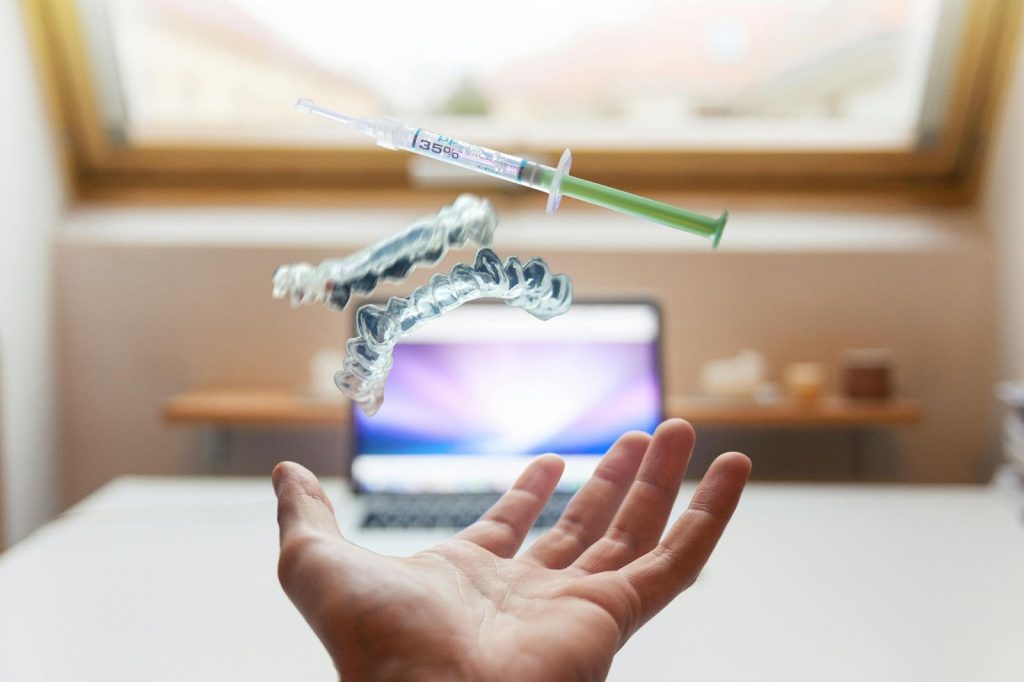
So, are Invisalign or braces better? When deciding between Invisalign and braces, it’s essential to consult with a qualified orthodontist who can assess your unique needs and recommend the most suitable treatment option.
At The TLC Dentist, our experienced team of orthodontic specialists is dedicated to helping you achieve the smile of your dreams with personalised care and state-of-the-art treatment options.
Contact Us Today
Ready to take the first step towards a straighter, more confident smile? Contact The TLC Dentist to schedule a consultation and learn more about our Invisalign and braces services. We’re here to help you make the best choice for your oral health and overall well-being.